TRT Replacement Therapy Near Me: Injections, Gels, and More

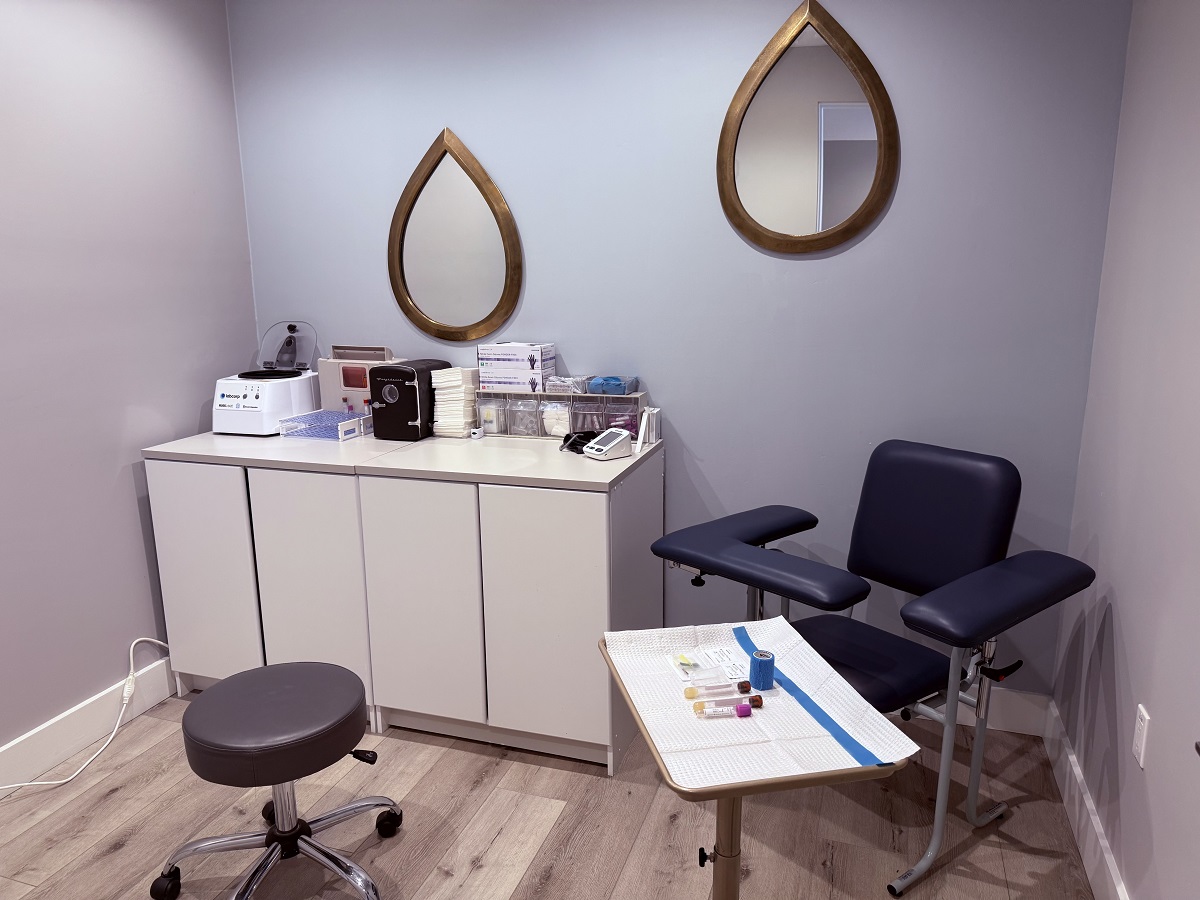
Searches for Trt replacement therapy near me usually start the same way. A man feels off for months, sometimes years. His energy drops. Workouts stop paying off. Sleep gets worse instead of better. Libido fades, focus gets unreliable, and recovery from exercise or a long week feels strangely slow. At some point he wonders whether this is stress, age, poor sleep, or low testosterone.
Sometimes it is low testosterone. Sometimes it is not.
That distinction matters, because testosterone replacement therapy can be genuinely helpful in the right patient and genuinely harmful when prescribed casually. The best clinics understand both sides. They do not sell testosterone like a wellness accessory. They diagnose carefully, explain the delivery options in plain language, and monitor treatment closely enough to catch problems before they become expensive or dangerous.
If you are comparing local TRT providers, or trying to decide whether injections, gels, pellets, or other formats make sense, it helps to know what thoughtful treatment actually looks like.
What TRT is, and what it is not
Testosterone replacement therapy is a medical treatment for men with clinically low testosterone levels and symptoms that fit the picture. The goal is not to create a bodybuilder hormone profile or chase a dramatic mood lift. The goal is to restore testosterone to a healthy physiologic range and improve symptoms without creating avoidable side effects.
That sounds straightforward, but in practice there is a lot of nuance. Testosterone levels fluctuate. Sleep deprivation, obesity, untreated sleep apnea, high stress, heavy alcohol use, and some medications can all affect levels. So can timing. Morning blood draws usually give the most useful baseline information, because testosterone tends to run higher earlier in the day.
A careful clinician will rarely diagnose low testosterone from one random lab draw done late in the afternoon. They will look at symptoms, repeat testing when needed, and consider the wider context. If your testosterone comes back borderline low but you also sleep five hours a night, snore SDBody La Jolla Trt replacement therapy near me heavily, and have gained 30 pounds in two years, the right first step may not be a prescription pad. It may be a fuller workup.
That is one of the first clues when evaluating a local clinic. Serious practices are willing to tell a patient he is not ready for TRT yet.
The symptoms that bring men in
Symptoms are often broad and frustratingly nonspecific. Men commonly report fatigue, low sex drive, fewer morning erections, depressed mood, decreased motivation, poor concentration, reduced muscle mass, increased body fat, and weaker exercise recovery. Some feel flat rather than clearly ill. They do not feel like themselves, but they cannot point to one dramatic problem.
The challenge is that these complaints overlap with common conditions such as burnout, depression, sleep apnea, thyroid disorders, insulin resistance, and chronic poor sleep. I have seen men convinced they needed testosterone who actually improved dramatically after treating severe sleep apnea. I have also seen men spend months chasing diet hacks and supplements when the real issue was consistently low testosterone confirmed on proper testing.
The point is not to talk people out of treatment. It is to match the treatment to the problem.
Why local care still matters
Telemedicine has made hormone treatment easier to access, and for some patients it is a useful option. Still, there is a strong case for finding a reputable clinic close to home if you can. Local care usually makes blood work, blood pressure checks, physical exams, and medication adjustments more practical. If you have a side effect, or if your hematocrit rises and you need follow-up quickly, nearby support matters.
A local provider can also coordinate with your primary care physician, urologist, or endocrinologist when issues overlap. Fertility concerns, prostate symptoms, cardiovascular risk, or sleep apnea do not exist in separate boxes. Good TRT care works best when it fits into the rest of your medical care rather than floating above it.
That is why many men searching for Trt replacement therapy near me are not just looking for convenience. They are looking for accountability.
The main forms of TRT, and how they differ in real life
The three options most patients ask about first are injections, gels, and pellets. There are also patches, nasal testosterone, and oral formulations in some settings, but injections and gels remain the most common starting points.
Injections
Injections are often the default option because they are effective, widely available, and usually less expensive than other forms. Testosterone cypionate and testosterone enanthate are common choices. Depending on the plan, they may be injected weekly, twice weekly, or on another schedule tailored to the patient.
In the real world, injections work well for many men because dosing is flexible. If someone feels great for a few days and then crashes before the next shot, the schedule can often be adjusted. Smaller, more frequent doses sometimes smooth out peaks and troughs better than larger, less frequent ones.
That said, injections are not one-size-fits-all. Some men dislike needles, even if the needles are small and the technique is simple. Others do fine at first but become inconsistent over time. There can also be fluctuations in mood, energy, or libido if the dosing interval is too wide. A patient on a large injection every two weeks often feels very different on day three than on day thirteen. That approach still exists, but many experienced prescribers prefer steadier schedules.
Gels
Topical gels appeal to men who want to avoid needles and prefer a daily routine. They can provide relatively stable hormone exposure when used correctly. For some patients, that consistency feels smoother than injections.
The trade-off is that daily use requires discipline, and absorption varies more from person to person than many expect. Two men can use the same dose and end up with very different blood levels. Skin-to-skin transfer is another practical issue. If a man applies gel and then has close contact with a partner or child before the product has fully dried and been covered, that creates a real risk. It is manageable, but it is not trivial.
Gels also tend to cost more than injectable testosterone, especially if insurance coverage is uneven.
Pellets
Testosterone pellets are inserted under the skin in a clinic and release hormone over the course of several months. For the right patient, convenience is their main selling point. There is no weekly injection and no daily application.
The downside is that pellets are less flexible once inserted. If levels end up too high or too low, you cannot simply fine-tune the dose the next day. The patient is committed to that insertion cycle. Trt replacement therapy near me Some men love the simplicity. Others find the lack of control frustrating. There is also a minor procedure involved, along with the small but real risks that come with any insertion under the skin.
Other options
Patches and nasal formulations have a place, though they are less commonly chosen. Patches can irritate the skin. Nasal testosterone requires repeated dosing through the day, which some men do not find practical. Oral testosterone exists in certain formulations, but the specifics depend on the product and the patient profile.
This is where clinic quality really shows. The right provider does not push every patient toward the same format. He or she asks what the patient values most, stable levels, lower cost, fewer needles, easier travel, fertility preservation planning, or the ability to make quick dose changes, and then matches the plan accordingly.
A good TRT consultation should feel thorough, not rushed
When men describe bad experiences with hormone clinics, the pattern is predictable. They filled out a form, had a brief call, and were offered treatment almost immediately. Their symptoms were barely explored. Their sleep was not discussed. Their fertility goals never came up. Baseline labs were minimal.
That is not careful medicine.
A strong evaluation usually includes a detailed symptom review, medication history, lifestyle factors, sleep quality, alcohol intake, and a look at conditions that can mimic or worsen low testosterone. It should also include a discussion of whether the patient wants children now or in the future. Exogenous testosterone can suppress sperm production, and that is not a side note for a man in his thirties who assumes fertility will remain unchanged.
Labs commonly include total testosterone and often free testosterone, though methods and interpretation vary. Other useful tests may include luteinizing hormone, follicle-stimulating hormone, estradiol, complete blood count, comprehensive metabolic panel, PSA in appropriate patients, thyroid studies, and sometimes prolactin or additional testing depending on the presentation.
A man with low testosterone and low LH and FSH may need a different conversation than a man with primary testicular failure. A man with low libido and normal testosterone may need an entirely different workup. This is why superficial prescribing creates problems.
How to compare clinics near you
Local SEO makes many clinics look interchangeable. Their websites often use similar phrases, similar before-and-after claims, and similar promises of restored vitality. The differences show up when you ask practical questions.
Here are five questions worth asking before you book:
- How do you confirm low testosterone before starting treatment?
- What labs do you check before treatment and during follow-up?
- How do you handle fertility concerns?
- Which treatment forms do you offer, and why might you recommend one over another?
- What happens if side effects develop or my blood counts rise?
A reputable clinic should answer these easily and specifically. If the response is vague, sales-heavy, or dismissive, keep looking.
Monitoring is not optional
TRT is not a set-it-and-forget-it treatment. Once therapy starts, follow-up matters. The exact schedule varies, but early monitoring often happens within weeks to a few months, then at regular intervals after dose stabilization.
Why does this matter so much? Because men can feel better while their labs quietly move in the wrong direction. Testosterone can raise hematocrit, which means the blood becomes more concentrated. That does not automatically create a crisis, but it can become a genuine issue if ignored. Estradiol may change. Blood pressure may drift. PSA may need follow-up depending on age, risk, and baseline history. Acne, fluid retention, breast tenderness, or mood changes may show up even when libido improves.
A patient should know before treatment begins what the monitoring plan is. If a clinic talks enthusiastically about symptom improvement but barely mentions lab follow-up, that is a problem.
Fertility deserves a separate conversation
This point gets missed far too often. Testosterone replacement can reduce or shut down sperm production in some men. A patient can feel better sexually and still become less fertile. Those are not contradictory outcomes.
Men who want to preserve fertility should discuss that before starting therapy, not after months on treatment. In some cases, alternatives or adjunctive treatments may be considered, depending on the diagnosis and goals. The right plan depends on whether the issue is symptomatic low testosterone, fertility optimization, both, or something else.
This is one reason many men benefit from seeing a clinician with experience in both men’s health and reproductive hormone management rather than a general wellness operation.
Cost, convenience, and the small print
Price matters, and local TRT costs can vary more than patients expect. The monthly cost may include the medication itself, supplies, office visits, lab work, and follow-up management. Some clinics advertise a low entry price that excludes important pieces of care. Others bundle nearly everything, which looks higher upfront but may be more transparent.
Injections are often the most cost-effective route. Gels can cost more, especially without good insurance coverage. Pellets may involve higher episodic costs tied to insertion visits. Compounded medications can sometimes lower cost, but quality control and regulatory issues should be considered carefully, depending on the product and source.
Convenience has a price too. A clinic close to home with efficient follow-up may save more in missed work hours and long-term consistency than a cheaper option across town. Men often underestimate this at the start. Six months later, adherence slips because every lab draw and follow-up has become a logistical headache.
What results are realistic
TRT can help, but it is not magic. Men with true hypogonadism often notice improvements in libido, energy, mood, and exercise recovery. Some changes appear within weeks. Others, such as shifts in body composition, can take months and still depend heavily on sleep, nutrition, training, and alcohol intake.
The men who do best are usually the ones who treat TRT as one part of a broader reset. They lift consistently, address sleep, manage weight, and follow through on labs. The ones who struggle are often looking for testosterone to override a lifestyle that is working against them from every direction.
That does not mean a patient has to live perfectly before treatment can help. It means expectations should stay grounded. If someone sleeps five broken hours, drinks heavily on weekends, never trains, and eats erratically, TRT may improve some symptoms but leave a lot on the table.
Red flags that should make you pause
Not every clinic advertising Trt replacement therapy near me is practicing with the same standards. Some are excellent. Some are essentially subscription businesses wrapped in medical language.
A few warning signs come up again and again:
- Treatment is offered after one brief conversation with minimal lab review.
- The clinic guarantees dramatic muscle gain, fat loss, or sexual results.
- Fertility risks are brushed aside or never mentioned.
- Follow-up testing is vague, infrequent, or treated as optional.
- Every patient is pushed toward the same treatment format.
Any one of these should prompt more questions. Several together should send you elsewhere.
Injections versus gels, the practical decision most men face
For many patients, the real choice comes down to injections or gels. Pellets appeal to a narrower group, and other forms are less common.
If a patient values lower cost, flexible dosing, and reliable potency, injections often win. They do require comfort with self-administration or regular office visits. If a patient strongly dislikes needles, has a stable daily routine, and can manage transfer precautions carefully, gels can be a very reasonable option.
I have seen men switch from gels to injections because their numbers never rose enough despite good adherence. I have also seen men switch from injections to gels because they felt every hormonal peak and trough too sharply, even after schedule adjustments. Neither experience is unusual. The best plan is often the one a patient can sustain consistently while achieving good symptom control and acceptable labs.
The first few months usually tell the story
Most of the meaningful questions get answered early. Does the patient feel better? Do the labs move where expected? Are side effects manageable? Is the routine workable in real life, not just on paper?
This period also reveals how a clinic handles adjustments. Good providers respond to actual data and symptoms. They do not chase every minor complaint with aggressive add-on medications, and they do not ignore clear signs that a regimen is too strong or poorly tolerated. Restraint is underrated in hormone care.
Men sometimes assume that higher numbers must mean better results. That is not how this typically works. Once levels are pushed beyond what the body needs to relieve symptoms, side effects often increase faster than benefits.
Finding the right local fit
A good TRT clinic feels medically grounded. The staff asks better questions than you expected. The clinician explains not just what can help, but what can go wrong and how they plan to watch for it. Costs are clear. Follow-up is structured. The treatment choice fits your priorities rather than the clinic’s inventory.
If you are actively searching Trt replacement therapy near me, focus less on who promises the fastest prescription and more on who appears most prepared to manage the entire process. Testosterone therapy can be useful, sometimes life-changing, but only when it is approached with discipline.
That is the standard worth looking for nearby. Not hype, not shortcuts, and not one-size-fits-all care. Just careful diagnosis, a treatment form that fits your life, and follow-up good enough to keep the benefits while reducing the risks.
SDBody La Jolla
Address: 7710 Fay Ave, La Jolla, CA 92037
Phone number: +18584012383
FAQ About Trt replacement therapy near me
Will insurance pay for TRT therapy in La Jolla, CA?
Coverage varies by plan and may depend on the diagnosis, blood test results, medication and prior authorization. Ask your insurer which visits, lab tests and formulations it covers and what you would pay out of pocket.
What is the most affordable TRT clinic in La Jolla?
Compare written estimates for the initial visit, lab work, medication and follow-up monitoring. Your total cost will depend on your insurance and the care your clinician recommends.
Is TRT replacement good for you in La Jolla, CA?
Testosterone replacement may help some people with symptoms and consistently low testosterone confirmed by blood tests. A clinician can review the potential benefits, risks, fertility plans and monitoring needs before recommending treatment.