The Value of Individualized Treatment at a TRT Clinic in La Jolla

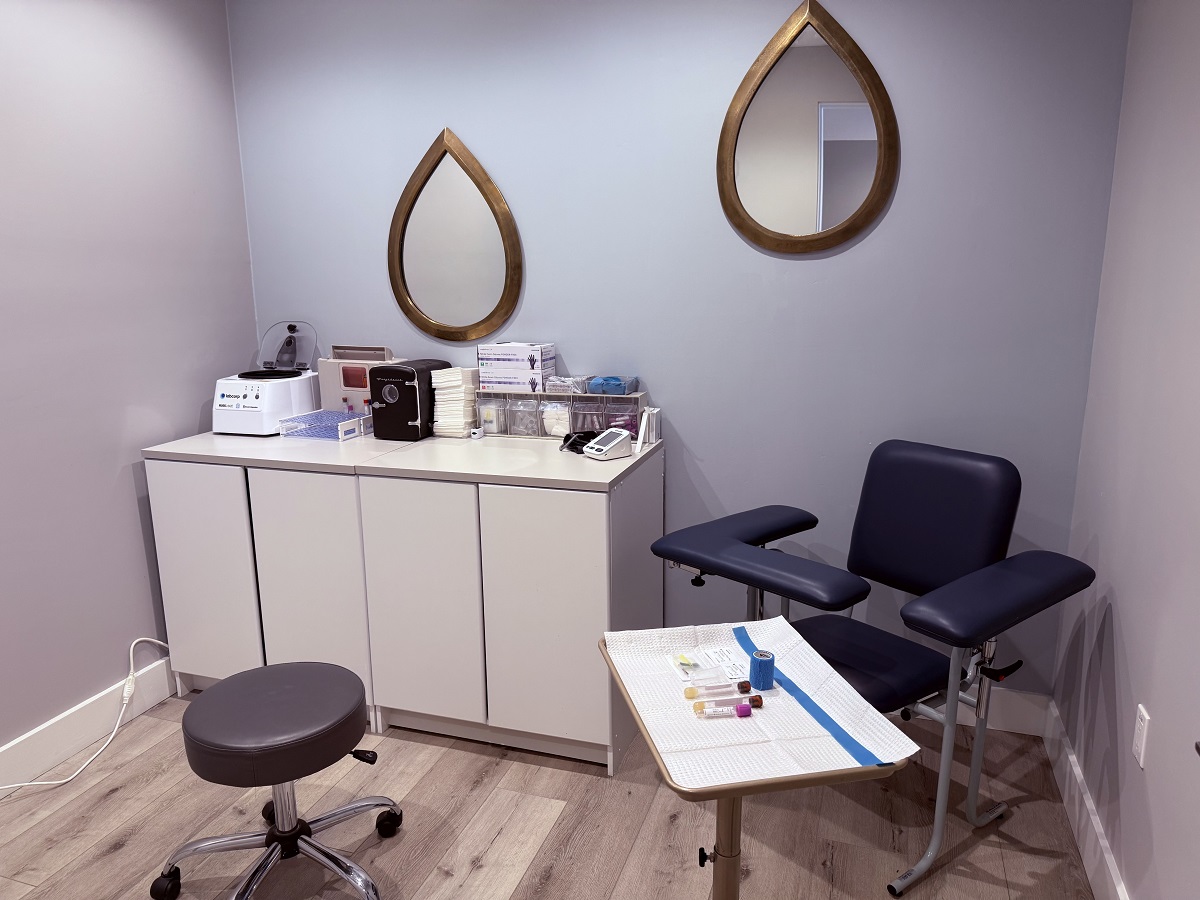
Testosterone replacement therapy tends to attract strong opinions, and some of that comes from how uneven the patient experience can be. Two men can walk into different clinics with the same complaint, low energy, declining strength, poor sleep, fading libido, and leave with completely different plans. One may get a careful workup, a realistic discussion, and a treatment strategy built around his physiology, age, schedule, and goals. The other may receive a standard dose, a generic promise, and very little follow-up. That difference matters more than most people realize.
At a well-run TRT clinic in La Jolla, individualized treatment is not a marketing phrase. It is the difference between a patient who feels better gradually and sustainably, and one who spends months chasing side effects, unstable lab values, or expectations that were never grounded in reality. Testosterone therapy is not a one-size-fits-all service. It is an ongoing medical process that depends on precision, observation, and adjustment.
La Jolla is a community where many patients are highly informed, active, and demanding of quality care. They are not only looking for a prescription. They want an explanation. They want to understand why symptoms developed, whether testosterone is truly appropriate, what the risks are, how success will be measured, and what happens if the first approach does not work as expected. Those are reasonable expectations, and they are exactly where individualized care proves its value.
Why testosterone care should never be standardized
On paper, TRT can look deceptively simple. A patient presents with symptoms and low testosterone levels, receives treatment, then begins to feel better. In practice, it is rarely that linear. Testosterone levels vary naturally throughout the day. Symptoms overlap with sleep apnea, chronic stress, depression, thyroid dysfunction, obesity, medication side effects, poor recovery, and alcohol use. A man may have normal total testosterone but low free testosterone. Another may have low levels on a single test that do not hold up on repeat testing. Another may have a true deficiency but also a fertility goal that changes the treatment plan completely.
This is where standardized protocols start to break down. If every patient receives the same intake, the same lab panel, the same dose, and the same follow-up schedule, the clinic is not practicing hormone medicine in a thoughtful way. It is processing volume.
Experienced clinicians know that testosterone therapy is as much about pattern recognition as it is about lab numbers. A lean 42-year-old endurance athlete with low libido and poor recovery raises different questions than a 61-year-old man with central weight gain, diabetes risk, fragmented sleep, and several years of fatigue. Their bodies handle treatment differently. Their baseline estradiol, hematocrit, insulin sensitivity, and cardiovascular risk profile may differ significantly. Even their definition of success may not be the same. One wants to restore sexual function and stable mood. The other wants to preserve muscle, stay mentally sharp, and continue working at a high level without afternoon crashes.
A personalized plan accounts for all of that from the beginning.
The first appointment is often where quality shows itself
One of the easiest ways to tell whether a clinic values individualized care is to look at what happens before the first prescription is written. A thorough first visit takes time. It should cover symptoms in context, not just as boxes on a form. When did the fatigue begin? Is it constant or cyclical? Has body composition changed despite consistent diet and training? Is libido low across the board, or only under stress? Has sleep quality declined? Is there a history of concussion, opioid use, anabolic steroid exposure, infertility, or untreated snoring?
A rushed clinic may focus almost entirely on the testosterone number. A better clinic understands that numbers need interpretation. Total testosterone by itself is not enough. Depending on the patient, the clinician may want to evaluate free testosterone, sex hormone-binding globulin, estradiol, complete blood count, metabolic markers, thyroid function, liver markers, and PSA where appropriate. In some cases, broader endocrine evaluation is warranted before therapy starts.
That workup is not done to complicate care. It is done to avoid mistakes.
I have seen men convinced they needed TRT when the deeper issue was severe sleep disruption. Their testosterone improved once the sleep problem was addressed. I have also seen men with clearly low testosterone spend too long in limbo because no one took their symptoms seriously or repeated testing correctly. Good individualized treatment does both things well. It avoids unnecessary therapy, and it recognizes when therapy is genuinely indicated.
The right candidate for TRT is not defined by age alone
There is a persistent myth that TRT is mainly for older men. Age matters, but it is not the deciding factor. Some men in their thirties have clinically significant testosterone deficiency. Some men in their sixties do not. What matters is the total picture, symptoms, labs, medical history, and treatment goals.
This is especially important in a place like La Jolla, where patients often arrive with high performance baselines. A man who surfs, lifts, works long hours, and is used to feeling physically capable will notice subtle changes sooner than someone less active. He may not look unwell, but he may know that something is off. An individualized clinic takes that seriously without jumping to conclusions.
That same nuance applies on the other end. Some symptoms commonly blamed on testosterone are not primarily hormonal. A physician who automatically says yes to everyone may create months of frustration. Patients deserve better than that. They deserve an honest answer, even when the answer is that testosterone is not the best first move.
Dosing is where personalization stops being optional
Once treatment begins, individuality matters even more. There is no universally ideal dose, delivery method, or injection schedule. Some patients do well with weekly injections. Others feel more stable with smaller, more frequent dosing. Some prefer topical options, though absorption can vary and practical issues come into play. The best regimen depends on symptom response, lab trends, convenience, tolerance, and consistency.
This is one of the most common places where cookie-cutter care causes trouble. A patient is started on a standard dose that looks fine on paper but turns out to be too much for his physiology. Within weeks, he may develop acne, irritability, fluid retention, or rising hematocrit. Another patient on the exact same dose may feel almost nothing because his metabolism, baseline levels, and symptom threshold are different.
The goal is not to push testosterone as high as possible. It is to find a therapeutic range where symptoms improve and risks stay manageable. That often requires small, deliberate adjustments rather than dramatic swings. Good clinicians resist the temptation to chase numbers without listening to the patient’s lived response. They also resist the opposite mistake, which is relying on subjective improvement while ignoring problematic labs.
This balance is harder than it sounds. A man may report feeling great at a level that also pushes his hematocrit higher than is ideal. Another may have acceptable labs but still feel flat because estradiol, sleep quality, or thyroid function has not been addressed. Personalized care means staying with the complexity instead of flattening it into a formula.
Monitoring is not an administrative detail
Follow-up is where many clinics reveal their priorities. In lower-quality settings, monitoring can feel like a box-checking exercise. Labs are ordered mechanically, messages are delayed, and dose changes happen with little explanation. Patients are left to interpret side effects on their own, often through online forums that mix useful anecdote with bad advice.
At a strong TRT clinic in La Jolla, monitoring is part of treatment, not an afterthought. Hormone therapy changes over time. Weight loss alters hormone dynamics. Stress, travel, alcohol intake, training volume, and new medications can all affect how a patient feels and how his labs look. Early follow-up often needs to be closer together, then spaced out once a stable pattern is established.
What should be watched depends on the patient, but the principle is consistent. Symptoms, blood work, blood pressure, sleep quality, body composition trends, and sexual health all matter. If a patient has a history of elevated red blood cell counts, that issue deserves more attention. If fertility matters, the discussion must happen before treatment, not after suppression becomes a surprise. If mood shifts occur, they should be investigated rather than brushed off as a temporary adjustment.
Many of the best TRT outcomes come not from the initial prescription, but from smart corrections made over the first several months.
Real success looks more subtle than marketing suggests
There is a disconnect between how testosterone therapy is sometimes advertised and how meaningful improvement actually unfolds. Some men do experience noticeable gains in energy, libido, and motivation within weeks. Others improve in stages. Sleep becomes more restorative first. Recovery improves next. Body composition starts to shift after consistent training and nutrition. Libido returns gradually. Mood steadies. The patient realizes, usually after a few months, that the version of himself who was dragging through the afternoon no longer feels familiar.
That slower progression is normal. It is also why individualized treatment matters. A patient who expects instant transformation may think therapy is failing when it is actually working appropriately. Another may assume that any good feeling means the dose should be increased, when in reality he is already near the sweet spot.
Clinicians who practice personalized care spend time setting expectations. That may sound simple, but it prevents a remarkable amount of disappointment. Hormone therapy can help, sometimes dramatically, but it does not erase poor sleep habits, high alcohol intake, metabolic disease, chronic overtraining, relationship stress, or unrealistic body image goals. Patients do best when TRT is treated as one part of a broader health strategy.
Fertility, cardiovascular risk, and side effects require adult conversations
One reason individualized care matters so much is that testosterone has trade-offs. These should never be hidden behind lifestyle branding.
For men who may want children, fertility is a major consideration. Exogenous testosterone can suppress sperm production, sometimes significantly. A clinic that does not bring this up early is not protecting its patients. Alternatives or adjunctive strategies may be considered in some cases, but those choices require a careful conversation and often specialist input.
Cardiovascular health deserves similar honesty. The evidence is nuanced, and sweeping statements in either direction are not helpful. Some men on TRT see improvements in body composition, insulin sensitivity, and energy that support overall health. Others develop issues such as elevated hematocrit or blood pressure that need active management. This is exactly why blanket reassurance is inadequate. Individual risk factors matter.
Common areas that often require monitoring and discussion include:
- Rising hematocrit and red blood cell concentration
- Changes in estradiol and related symptoms
- Acne, oily skin, or hair loss in susceptible patients
- Effects on fertility and testicular function
- Blood pressure, sleep quality, and cardiovascular risk markers
A professional clinic does not present these issues as rare technicalities. It integrates them into routine care. Patients tend to appreciate that candor. Most are not looking for perfection. They are looking for competence.
La Jolla patients often benefit from a broader performance-health lens
In areas like La Jolla, many patients seeking TRT are not simply trying to treat disease. They are trying to preserve function. They want to remain capable at work, in the gym, in relationships, and in the activities that define their quality of life. That can be a reasonable goal, but it requires judgment from the clinic.
There is a difference between restoring a deficient patient to a healthy functional range and promising perpetual optimization. The first is medicine. The second can easily slide into overstatement. A clinic with integrity knows where that line is.
That matters for physically active men in particular. Testosterone trt clinic La Jolla therapy may improve recovery, lean mass retention, and training consistency, but it does not replace periodized exercise, adequate protein intake, sleep discipline, or intelligent stress management. If a patient is under-eating, over-caffeinated, and sleeping five hours a night, hormone therapy alone will not solve the underlying problem. In fact, it may partially mask it.
The best clinics use TRT as a tool within a larger framework. They ask about movement, nutrition, alcohol intake, and sleep. They consider whether the patient’s current routine supports the outcome he says he wants. This is not lifestyle coaching for its own sake. It is practical medicine. Hormones operate inside the body a patient actually lives in.
Communication shapes outcomes more than patients expect
A less obvious advantage of individualized care is better communication. Patients usually know when they are being managed as a case number. They also know when a clinician has taken the time to understand their symptoms, answer questions directly, and explain the reasoning behind each decision.
That trust changes adherence. Men are more consistent with follow-up, more honest about side effects, and less likely to self-adjust dosing when they feel heard. This is especially important in TRT, where many patients arrive after reading online advice that ranges from sensible to reckless. If they do not trust their clinic, they may start experimenting on their own.
Good communication also means knowing when not to escalate. If a patient asks for a higher dose because he wants faster body composition changes, the clinician should be able to explain why that may not be wise. If a patient feels anxious after starting therapy, he should know whether that pattern suggests dose timing issues, estradiol shifts, sleep disruption, or something unrelated to TRT. Reassurance is useful only when it is specific.
Signs that a clinic is truly personalizing care
Patients often ask what to look for when choosing a provider. The answer is less about branding and more about behavior. A personalized clinic usually shows a few consistent traits:
- It performs a thorough evaluation before recommending treatment
- It explains lab interpretation rather than focusing on one number
- It adjusts dosing based on symptoms and objective data
- It addresses fertility, side effects, and long-term monitoring upfront
- It treats TRT as part of overall health, not a shortcut around it
These may sound basic, but in hormone care they are not universal. They are worth seeking out.
Why individualized treatment tends to be safer and more sustainable
The biggest advantage of personalized TRT is not just better symptom relief. It is sustainability. Patients do not need a good two months. They need a plan that still makes sense one year from now, with stable labs, manageable side effects, and clear follow-up.
Sustainability comes from precision. It comes from resisting excess. It comes from making changes for a reason, then evaluating the result honestly. It also comes from being willing to revisit assumptions. A dose that worked at the start may need to change after weight loss, aging, altered training patterns, or new health conditions. Personalized care leaves room for that evolution.
There is also a psychological benefit to this approach. Men who understand their treatment tend to feel more grounded in trt clinic La Jolla sdbody.com it. They are less likely to obsess over every fluctuation in mood or every lab variation, because they have context. They know what is expected, what is worth watching, and what requires action. That reduces the frantic trial-and-error cycle that often develops when treatment is managed poorly.
For patients considering a TRT clinic in La Jolla, this is the core issue. The value is not simply access to testosterone. Access is easy. The real value is clinical judgment. It is the ability to distinguish a true candidate from someone with a different underlying problem. It is knowing how to tailor treatment to a person’s physiology and priorities. It is careful monitoring, honest communication, and a willingness to adjust without overreacting.
That is what individualized treatment looks like in practice. It is less flashy than many people expect, but it is far more effective. Over time, it is also what protects patients from the disappointment and avoidable complications that come with generic hormone care. When testosterone therapy is appropriate, a personalized approach gives it the best chance to work as intended, steadily, safely, and in service of a patient’s real life.
SDBody La Jolla
7710 Fay Ave, La Jolla, CA 92037
+1 858-401-2383
FAQ About trt clinic La Jolla
How much should my TRT cost?
TRT costs depend on the clinical evaluation, medication, laboratory testing, and follow-up plan. Ask for an itemized estimate that includes the initial visit and ongoing monitoring. SDBody La Jolla can explain its current fees after discussing the services being considered.
Will Insurance Pay for TRT in La Jolla?
Coverage depends on your plan, diagnosis, prescribed treatment, and provider network. Ask your insurer about medical necessity requirements, prior authorization, laboratory coverage, and out-of-pocket costs. Confirm SDBody La Jolla's billing arrangements directly; insurance payment is not guaranteed.
Is TRT safer than steroids?
Testosterone is itself an anabolic steroid. Clinician-prescribed replacement for confirmed testosterone deficiency differs from nonmedical steroid use, but it still carries risks and requires monitoring. Possible concerns include increased red blood cell levels and reduced sperm production. Discuss your medical history and fertility goals with a qualified clinician before considering treatment.